
Why Embroidered Hats Outperform Printed Caps Always
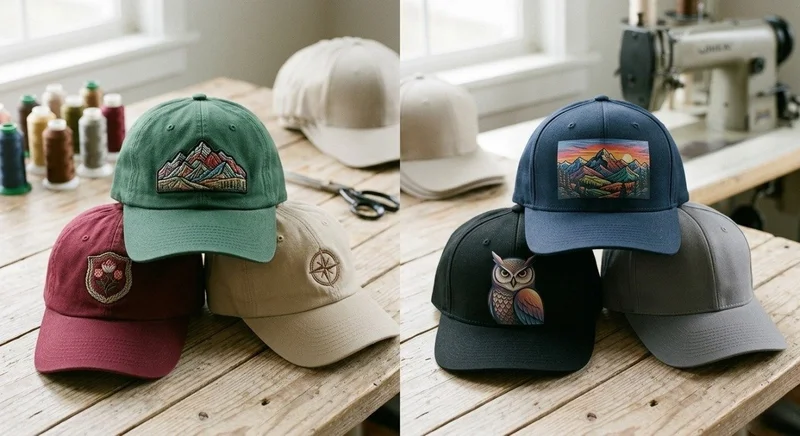
A cap can have a logo, but each logo does not carry the same impression. Imagine two hats placed side by side: one has a flat graphic print across the front, and the other has carefully stitched lettering that catches the light as you move. One will feel promotional, while the other will feel like something a person would actually choose to wear.
This difference is important for teams, retailers, businesses, clubs, and anyone who is investing in branded headwear. A decoration should survive real life, not only to look impressive on delivery day. Embroidered designs can survive repeated washing and sun exposure, and everyday friction that printed artwork often struggles to match. This blog will guide you on the reasons why embroidery can work better than printing.
Why Does Embroidery Last Longer Than Printing?
One of the biggest reasons that stitched decoration is continuously dominating premium headwear is its durability. The construction method of the embroidery itself gives an edge when a cap is expected to handle regular use.
1. Design Becomes Part Of The Fabric
Printing often places ink or another decorative layer onto the surface of the material. Embroidery has a different route in which thread is physically stitched through the cap. This uniqueness is crucial. A printed design can fade, peel, crack, or lose its sharpness depending on the printing method and care routine.
Embroidery does not contain an ink layer that can crack across the surface. Current apparel-care guidance can help you identify embroidery as exceptionally durable, as the design is stitched directly into the garment.
2. Handles Frequent Wear
Caps often face a rougher life than most people even realise. They face sweating, sunlight, bags, constant bending, hands, dust, and car seats.
When you have a well-produced embroidered logo, it will easily cope with this repeated handling without losing its fundamental structure. This can make it particularly useful for uniforms, outdoor businesses, sports teams, and promotional headwear that is expected to be worn again and again.
3. No Cracking Effect
Cracking is one of the most recognisable problems with some printed apparel. The design often looks perfect initially, but repeated washing, heat, drying, and friction can gradually affect the surface of the print.
Embroidery often ages differently. The thread may eventually show signs of wear, but it will not develop the same spiderweb-like cracks associated with ageing prints. Proper care still crucial. You should turn embroidered apparel inside out and use gentle washing methods to further protect the stitching.
4. Texture Creates A Premium Appearance
People notice texture first, even when they cannot immediately tell why something looks more expensive. Raised stitching often gives logo depth and dimension.
When light catches the thread, the branding can visually become interesting rather than appearing like a flat image which is located on top of the fabric. This is especially effective for company logos, initials, sports emblems, and simple lettering. The premium appearance can make branded merchandise feel more like genuine retail-quality clothing than disposable advertising for businesses ordering custom embroidered hats in NZ.
5. Embroidery Works Beautifully With Simple Branding
Not every logo needs photographic detail. Hats often look better if you use simplified branding. Elements like bold letters, badges, compact symbols, initials, and clean icons can translate well into stitches.
Use a good embroidery setup to adjust stitch direction, thread colour, density, and sizing so that the finished mark can remain readable from a reasonable distance. This makes the method effective when the goal is recognition instead of squeezing every tiny design detail onto the front panel.
6. Reinforces Brand Credibility
People often wear a branded hat in public. Customers, employees, visitors, and potential clients – everybody may see it. Creating a crisp embroidered logo can communicate consistency and professionalism without shouting for attention. This is important for hospitality teams, corporate staff, tradespeople, sports organisations, and independent brands where appearance can influence first impressions.
What Makes Embroidered Caps Better for Branding?
The real advantage of an embroidered cap is not simply longevity. A good branded cap can combine practical use, visual identity, and perceived value in just one relatively small product.
1. People Are More Likely To Keep Wearing Them
Promotional products only work best when they remain in use. A hat that often looks cheap or starts deteriorating quickly may end up forgotten in a drawer. A comfortable cap with attractive embroidery may appear different. It can become part of someone’s regular wardrobe, which allows the brand to travel beyond the workplace or event where it was originally distributed.
2. The Branding Feels Less Disposable
Printed caps can certainly look excellent, especially when large graphics, photographic artwork, or highly detailed colour designs are needed. Embroidery often gives a more established identity to the finished product. That distinction is valuable for businesses that want their merchandise to resemble branded retail apparel instead of short-term promotional stock.
How to Choose the Right Embroidered Hat
The quality of the final result begins before the needle touches the fabric. When you choose the wrong cap, it can make even excellent artwork look underwhelming.
1. Start With The Cap Material
It is ideal to choose structured cotton, canvas, twill, or other stable fabrics, which generally provide a solid base for embroidery. If you choose very thin or highly flexible materials, it will require more careful digitising and stabilisation. Your chosen fabric should support the stitch density without puckering. This is where an experienced hat manufacturer can make a noticeable difference just by matching the decoration technique to the construction of the cap.
2. Keep The Artwork Embroidery-Friendly
A design that is created for a website or printed brochure may not automatically translate perfectly into thread. Using fine lines, complicated gradients, tiny text, and excessive detail can become muddy at small sizes. You should simplify the artwork, which often produces a stronger result. The objective is not to reproduce every pixel, but it should preserve the identity of the design.
3. Consider Where The Cap Will Be Worn
When it comes to a corporate team, it may require understated branding, but a sports club might need something bolder. Outdoor workers often prioritise durability and comfort, but a fashion label may focus more on colour, texture, and silhouette. You must think about the wearer first. The best cap is the one that fits naturally into their routine.
Common Questions People Ask
1. What cap styles are best to choose for embroidery?
You can choose various styles, including structured caps, trucker styles, five-panel caps, and sturdy cotton or twill designs, as all work well. Choosing the best one depends on the logo, fabric weight, intended audience, and whether the cap needs to withstand demanding outdoor conditions.
2. How should I wash embroidered hats?
You should follow the manufacturer’s care label first. Generally, you should consider gentle washing with mild detergent and lower drying temperatures, which is safer than harsh cycles and high heat. Must avoid unnecessary friction and allow the cap to retain its shape while drying.
3. Can I use multiple thread colours?
Yes, you can combine multiple thread colours, although more complex designs may increase production time and cost. Choosing a strong contrast between the thread and cap usually crucial more than using a large number of colours.
Final Verdict
Embroidered hats can provide you with an advantage as they combine texture, durability, professionalism, and long-term brand visibility in just one product. The stitched construction can resist many of the surface problems that are associated with ageing prints, while the raised finish can provide simple logos a premium character. Printing still has its own place, especially for large or highly detailed graphics, but choosing embroidery is often the stronger choice when lasting branding is critical.

I am a content contributor at CustomHats.nz, creating informative content on custom hats and custom cap styles, material, embroidery, printing and customisation. I provide practical tips and creative ideas on understanding the other types of hats, planning the design, and choosing a hat that is suitable for their brand, event, team, and/or individual.